

Soybean Meal vs Rapeseed Meal: Key Differences, Uses, and Market Trends
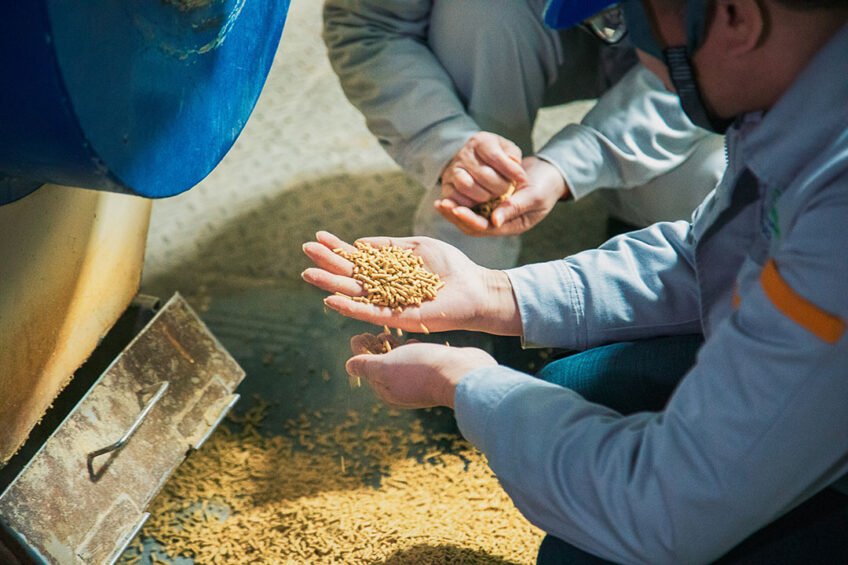
Protein-rich feed ingredients play a critical role in supporting livestock health, feed efficiency, and overall productivity across global agriculture. Among plant-based protein sources, soybean meal and rapeseed meal are two of the most widely used components in animal feed formulations. While both serve similar purposes, their nutritional profiles, applications, and market dynamics differ in meaningful ways.
Understanding these differences is essential for feed manufacturers, procurement professionals, and traders who aim to balance performance, cost, and supply reliability. This article explores the key distinctions between soybean meal and rapeseed meal, their uses in animal feed, and the evolving market trends shaping their demand.
Overview of Soybean Meal and Rapeseed Meal
Soybean meal is produced after oil extraction from soybeans and is widely regarded as a benchmark protein ingredient in global feed markets. Its high protein content and favorable amino acid profile have made it a staple in poultry, livestock, and aquaculture feed.
Rapeseed meal, derived from rapeseed oil extraction, has emerged as a reliable alternative protein source. Improvements in processing technology have enhanced its nutritional value, making it increasingly popular in diversified feed formulations. Both ingredients contribute significantly to global feed systems, but their roles vary depending on livestock type, region, and market conditions.
Nutritional Differences and Feed Value
The nutritional composition of these two meals is one of the primary factors influencing their use in animal feed.
Soybean meal typically offers higher crude protein content and excellent digestibility, making it especially effective in poultry and swine diets. Its amino acid balance supports rapid growth and efficient feed conversion.
Rapeseed meal provides moderate protein levels along with beneficial fiber and essential minerals. Its amino acid profile, particularly sulfur-containing amino acids, supports ruminant nutrition and balanced feed formulations when used correctly.
While soybean meal is often prioritized for high-performance diets, rapeseed meal is valued for its complementary nutritional role and cost efficiency in mixed formulations.
Applications in Animal Feed
Both soybean meal and rapeseed meal are used across a wide range of animal feed applications, with inclusion levels adjusted based on nutritional requirements and formulation goals.
Common uses include:
- Poultry feed, where protein quality directly impacts growth and egg production
- Dairy and cattle feed, supporting milk yield and rumen health
- Swine feed, with carefully managed inclusion rates
- Compound feeds designed for cost-effective protein supplementation
Feed manufacturers often combine these ingredients to achieve optimal nutritional balance while managing input costs. This blended approach supports flexibility and resilience in feed production.
Non-GMO Considerations in Feed Sourcing
With growing global emphasis on traceability and sustainability, sourcing practices have become increasingly important. Demand for non-GMO soybean continues to rise, particularly in markets with strict regulatory frameworks or consumer-driven preferences.
Using non-GMO soybean options allows feed producers to meet compliance requirements and cater to premium segments without compromising feed performance. This trend has influenced procurement strategies and contributed to segmentation within global protein meal markets.
Rapeseed-based feed ingredients also benefit from transparent sourcing and quality controls, further strengthening their position in regulated supply chains.
Cost Efficiency and Supply Dynamics
Pricing and availability are critical considerations in feed ingredient selection. Soybean meal prices are often influenced by global soybean production, weather conditions, and export demand. As a result, markets can experience periods of volatility.
Rapeseed meal offers an alternative that helps diversify sourcing strategies and reduce reliance on a single protein source. Its regional availability and stable production cycles contribute to its appeal, especially during periods of market fluctuation.
Businesses involved in agricultural commodity trading closely monitor these dynamics to optimize procurement decisions and manage risk.
Market Trends Shaping Demand
Several market trends continue to influence the demand for soybean meal and rapeseed meal globally.
One key trend is the growing focus on supply chain diversification. Feed producers increasingly seek multiple protein sources to reduce vulnerability to price swings and supply disruptions. This has supported steady growth in rapeseed-based feed ingredients.
Another trend is the integration of sustainability into feed sourcing decisions. Crop rotation practices associated with rapeseed cultivation support soil health and long-term agricultural productivity, aligning with sustainability goals across the animal feed industry.
Additionally, evolving feed formulations and advancements in processing technology have improved the digestibility and consistency of both meals, enhancing their value in modern feed systems.
Role in Global Trade and Procurement
Soybean meal and rapeseed meal are actively traded across international markets, making them integral to global feed supply chains. Their movement across borders highlights the importance of reliable logistics, quality assurance, and long-term partnerships.
Companies engaged in agricultural commodity trading view these protein meals as strategic assets that support stable feed production and global trade flows. Effective procurement strategies balance nutritional requirements, cost considerations, and supply reliability.
Choosing the Right Protein Source
Selecting between soybean meal and rapeseed meal is rarely a binary decision. Instead, feed producers evaluate factors such as livestock type, nutritional targets, regulatory requirements, and market conditions.
A blended approach often delivers the best results, combining the high protein efficiency of soybean meal with the complementary benefits of rapeseed meal. This strategy supports consistent feed quality while managing costs and supply risks.
Conclusion
Soybean meal and rapeseed meal each play a vital role in modern animal feed systems. While soybean meal remains a benchmark protein source, rapeseed-based alternatives offer valuable flexibility, cost efficiency, and sustainability benefits.
As global feed demand continues to grow and markets evolve, understanding the differences, uses, and trends associated with these protein meals is essential. For feed manufacturers, traders, and procurement professionals involved in agricultural commodity trading, informed decision-making ensures resilience, performance, and long-term success in the animal feed industry.