

The Future of Oilseed Meals in Global Animal Nutrition
Global demand for animal protein is rising steadily, driven by population growth, urbanization, and changing dietary preferences. This growth has placed increasing pressure on feed producers to source reliable, nutritious, and cost-effective protein ingredients. In this evolving landscape, oilseed meals are emerging as a critical component of future animal nutrition strategies.
Derived from the processing of oil-bearing crops, oilseed meals have long supported livestock, poultry, and aquaculture systems. Today, advances in processing, sustainability goals, and global trade dynamics are reshaping their role. This article explores the future of oilseed meals in global animal nutrition and why they are set to remain central to feed formulation worldwide.
Understanding Oilseed Meals and Their Role
Oilseed meals are by-products obtained after oil extraction from crops grown primarily for edible and industrial oils. These meals are rich in protein, fiber, and essential nutrients, making them valuable ingredients in balanced feed formulations.
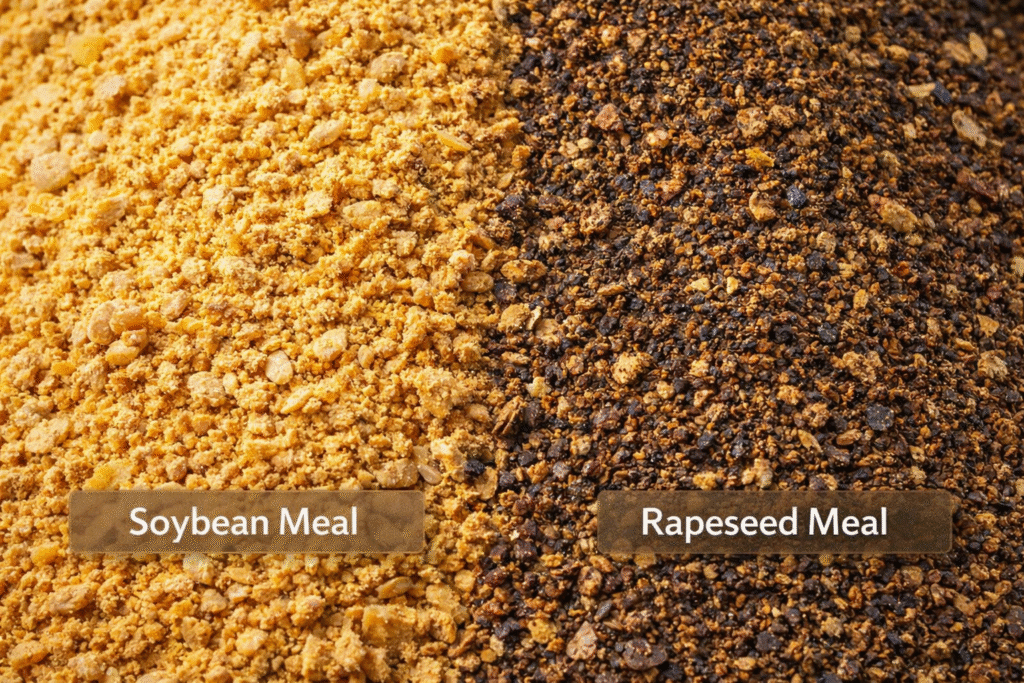
Crops such as soybean seeds and rapeseed contribute significantly to global feed protein availability. Once processed, their meals are incorporated into diets designed to support growth performance, feed efficiency, and animal health across species.
As feed systems become more sophisticated, oilseed-based meals are no longer viewed as simple by-products but as strategic nutritional inputs.
Rising Demand for Protein in Animal Nutrition
The future of animal nutrition is closely linked to the global demand for protein-rich feed ingredients. Livestock producers are under pressure to improve productivity while managing costs and environmental impact.
Oilseed meals address several of these challenges by offering:
- High protein content suitable for multiple species
- Wide availability across producing regions
- Compatibility with modern feed formulations
With global feed demand expected to grow, these characteristics position oilseed meals as essential components of long-term nutrition strategies.
Role of Soybean and Rapeseed-Based Meals
Among oilseed meals, those derived from soybean seeds have traditionally dominated global feed markets due to their high protein content and favorable amino acid profile. They are widely used in poultry, swine, dairy, and aquaculture feed.
Rapeseed-based meals, on the other hand, have gained prominence as processing improvements have enhanced their nutritional quality. Their fiber content and mineral profile make them particularly valuable in ruminant diets and blended feed formulations.
Together, soybean and rapeseed meals provide flexibility, allowing feed producers to balance nutrition, availability, and cost while reducing reliance on a single protein source.
Sustainability and the Shift Toward Diversification
Sustainability is becoming a defining factor in global animal nutrition. Buyers and producers alike are focusing on ingredients that support responsible sourcing and long-term supply stability.
Oilseeds cultivation supports crop rotation and soil health, contributing to more resilient agricultural systems. Diversifying protein sources using multiple oilseed meals also reduces supply chain risk and exposure to market volatility.
As sustainability standards tighten, oilseed meals will play a growing role in meeting environmental and nutritional objectives simultaneously.
Technological Advancements in Processing
Processing technology has significantly influenced the future outlook of oilseed meals. Improved extraction and heat-control techniques have enhanced protein digestibility and reduced anti-nutritional factors.
Modern processing enables:
- Better nutrient retention
- Improved consistency across batches
- Enhanced suitability for high-performance diets
These advancements increase confidence among feed manufacturers and strengthen the position of oilseed meals in competitive global markets.
Expanding Applications in Animal Feed
Oilseed meals are used across a wide range of animal feed applications, and their role continues to expand as formulations evolve.
Key application areas include:
- Poultry feed, where protein efficiency directly impacts growth
- Dairy and cattle feed, supporting milk production and rumen health
- Aquaculture feed, as part of blended protein strategies
The adaptability of oilseed meals allows nutritionists to tailor formulations for specific production goals without compromising performance.
Global Trade and Agri-Commodities Landscape
Oilseed meals are deeply integrated into global agri-commodities trade flows. They move across borders as feed manufacturers seek diversified sourcing options and competitive pricing.
The interconnected nature of global markets means that supply disruptions, weather events, or policy changes in one region can influence availability elsewhere. Oilseed meals help buffer these risks by offering multiple sourcing origins and flexible trade options.
Their role in global agri-commodities markets highlights their strategic importance beyond nutrition alone.
Importance of Reliable Supply Networks
As demand grows, reliability in sourcing becomes increasingly important. Feed producers and traders prioritize suppliers who can deliver consistent quality and volumes over time.
Strong supplier networks ensure the following:
- Stable feed production schedules
- Reduced formulation variability
- Better long-term cost management
In this context, trusted agri suppliers in India are gaining recognition for their ability to support global feed markets with scale, experience, and improving quality standards.
India’s Growing Role in Oilseed Meal Supply
India’s agricultural diversity and processing capacity position it as an emerging contributor to global oilseed meal supply. With expanding oilseed cultivation and improved infrastructure, Indian-origin oilseed meals are increasingly considered by international buyers.
Experienced agri suppliers in India support global markets by offering reliable sourcing options and adapting to evolving quality and compliance requirements. Their participation strengthens global supply chains and adds resilience to feed systems worldwide.
Challenges and Opportunities Ahead
Despite strong prospects, the future of oilseed meals also presents challenges. Climate variability, logistics constraints, and regulatory complexity can impact production and trade.
However, these challenges are accompanied by significant opportunities:
- Growing global demand for protein
- Increased focus on sustainable feed ingredients
- Technological improvements in processing
Addressing these factors through collaboration and innovation will shape the long-term success of oilseed meals in animal nutrition.
Conclusion
The future of oilseed meals in global animal nutrition is defined by rising protein demand, sustainability priorities, and evolving feed technologies. Derived from crops such as soybean seeds and rapeseed, these meals offer versatility, nutritional value, and supply flexibility.
As animal feed systems become more complex and globally interconnected, oilseed meals will remain essential to efficient and resilient feed production. Supported by expanding agri commodities trade and reliable agri suppliers in India, oilseed meals are well positioned to play a central role in feeding the world’s growing livestock population.