

How Agro Trading Companies Connect Global Buyers & Sellers
Global agricultural trade has become increasingly complex. Buyers and sellers today operate across multiple geographies, regulatory frameworks, and market conditions, making direct transactions difficult without structured coordination. This is where agro trading companies play a critical role. By bridging gaps between producers and international buyers, they enable smoother transactions, reduce risk, and bring stability to cross-border trade.
In a world shaped by fluctuating demand, logistical challenges, and compliance requirements, agro trading firms serve as the backbone of modern agricultural commerce.
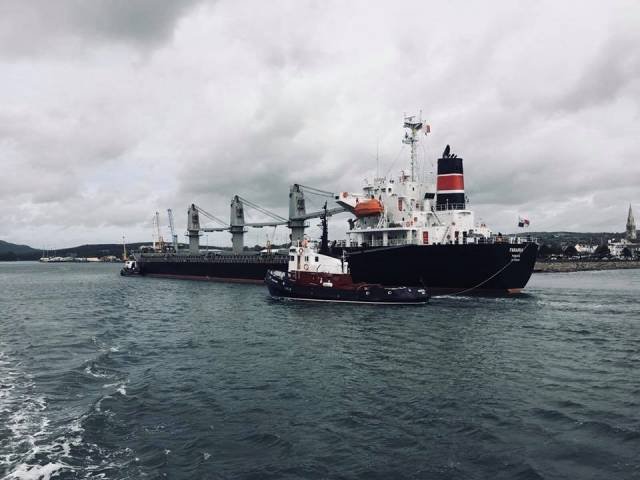
The Growing Complexity of Global Agricultural Trade
Agricultural markets are no longer local or seasonal. Demand is influenced by global consumption patterns, climate conditions, geopolitical shifts, and evolving regulations. For buyers, sourcing consistent quality at predictable prices is challenging. For sellers, accessing reliable international markets requires more than just production capacity.
At the heart of this system lies the supply chain, which connects farms, processors, storage facilities, logistics providers, and end buyers. Any disruption at one stage can affect pricing, delivery timelines, and product integrity. Agro trading companies specialize in managing this complexity by coordinating multiple moving parts into a structured trade flow.
What Agro Trading Companies Actually Do
Agro trading companies act as facilitators rather than simple intermediaries. Their role extends beyond matching buyers and sellers. They analyze market demand, assess supplier capability, and structure transactions that align commercial expectations on both sides.
In commodity trading, these firms help standardize quality specifications, negotiate pricing mechanisms, and align contract terms with market realities. This allows buyers to secure a reliable supply while enabling sellers to reach global markets without navigating international trade complexities on their own.
They also play a critical role in managing exports and imports, ensuring compliance with destination-country regulations, documentation requirements, and quality standards. This expertise reduces transaction risk and builds confidence for all stakeholders involved.
Connecting Buyers and Sellers Through Structured Networks
Agro trading companies rely on well-developed networks built over years of industry experience. These networks include farmers, processors, logistics partners, and end buyers across regions. By understanding production cycles and demand patterns, traders can align supply availability with buyer requirements more effectively.
Key areas where agro traders add value include:
- Identifying reliable suppliers capable of meeting volume and quality expectations
- Structuring contracts that reflect market conditions and pricing volatility
- Coordinating logistics to ensure timely movement across borders
These structured networks allow smoother flow of agri commodities across regions, even during periods of market uncertainty.
Role of Technology and Trade Platforms
Digitalization has transformed how agricultural trade is conducted. Many trading firms now leverage data systems and digital tools to improve transparency and communication. A centralized trade portal helps streamline interactions between buyers and sellers by enabling documentation sharing, shipment tracking, and transaction updates.
While technology enhances efficiency, human expertise remains essential. Experienced traders interpret market signals, negotiate terms, and manage unforeseen challenges that automated systems cannot address alone. The combination of technology and domain expertise strengthens trust across the trading ecosystem.
Managing Risk Across the Supply Chain
Risk management is a central function of agro-trading companies. Agricultural trade is exposed to price volatility, weather-related disruptions, regulatory changes, and logistical delays. Traders mitigate these risks by diversifying sourcing regions, structuring flexible contracts, and maintaining buffer inventories when required. A well-managed supply chain ensures continuity even during disruptions. Agro traders continuously monitor market conditions and adapt sourcing strategies to maintain reliability. This proactive approach benefits both buyers, who receive a consistent supply, and sellers, who gain predictable market access.
Supporting Global Exports and Imports
International trade involves multiple compliance checkpoints. Agro trading companies simplify exports and imports by managing documentation, certifications, and coordination with freight forwarders and customs authorities. This reduces delays and prevents costly errors that could disrupt shipments.
Their understanding of destination market requirements allows smoother cross-border movement of agri-commodities. For buyers, this means fewer regulatory hurdles. For sellers, it opens access to markets that might otherwise be difficult to reach independently.
Building Trust Through Transparency
Trust is fundamental to long-term trade relationships. Agro trading companies build trust by maintaining transparency in pricing, quality specifications, and delivery timelines. Clear communication helps align expectations and prevents disputes. Experienced firms involved in agro trading also invest in long-term relationships rather than transactional deals. This relationship-driven approach creates stability, especially in markets where demand and pricing fluctuate frequently.
Market Trends Influencing Agro Trade
Several trends are shaping how agro trading companies operate today. Buyers increasingly prefer traceable sourcing, consistent quality, and long-term partnerships. Sellers, on the other hand, seek stable demand and predictable pricing.
Some key trends include:
- Greater focus on traceability across the supply chain
- Increased reliance on structured trade platforms
- Preference for experienced traders over spot-market transactions
These trends reinforce the importance of professional trading firms in modern agricultural commerce.
Why Agro Trading Companies Matter More Than Ever
As global demand for agri-commodities continues to grow, the role of agro-trading companies becomes even more critical. They provide the operational discipline, market insight, and risk management required to connect buyers and sellers efficiently. By coordinating commodity trading, managing exports and imports, and optimizing the supply chain, these firms enable sustainable trade flows that benefit all participants. Their ability to align production realities with market demand ensures continuity in an increasingly interconnected global food system.
Conclusion
Agro trading companies serve as the vital link connecting global buyers and sellers in an increasingly complex agricultural marketplace. Through structured networks, risk management expertise, and transparent trade practices, they enable smoother transactions across borders. As agricultural markets evolve and supply chains face new challenges, the role of professional trading firms will continue to grow. In the years ahead, buyers and sellers who collaborate with experienced agro trading partners will be best positioned to navigate global trade with confidence and consistency.