

How to Check Protein Meal Quality Before Buying
Protein meals are a critical component of modern feed formulations. Whether used in poultry, dairy, cattle, or compound feed manufacturing, the quality of protein meals directly affects animal performance, feed efficiency, and long-term operational costs. However, not all protein meals offer the same nutritional reliability, and poor-quality sourcing can lead to inconsistent results and hidden risks.
For buyers, traders, and procurement professionals, understanding how to evaluate protein meal quality before purchase is essential. This guide explains the key parameters, practical checks, and sourcing considerations that help ensure consistent quality when buying protein meals derived from rapeseed, mustard seed, and soybean seeds.
Why Protein Meal Quality Matters
Protein meals serve as concentrated nutritional inputs in feed systems. Variations in processing, raw material origin, and handling can significantly impact their effectiveness. Substandard protein meals may result in reduced digestibility, lower growth performance, and inefficiencies that increase overall feed costs.
Quality assessment before procurement is not just a technical requirement—it is a risk management practice that protects supply chain reliability and business outcomes.
Understanding the Source of Protein Meals
Protein meal quality begins with the raw material. Protein meals are typically produced after oil extraction from oil-bearing crops. The quality of rapeseed, mustard seed, and soybean seeds used during processing has a direct influence on the nutritional value of the final meal.
Crop variety, cultivation practices, harvesting conditions, and storage methods all contribute to variations in protein content and consistency. Buyers should always seek transparency regarding the origin and processing history of the raw material.
Key Nutritional Parameters to Evaluate
Before purchasing protein meals, it is essential to review their nutritional profile. Laboratory analysis provides valuable insights into quality and suitability for feed formulations.
Core nutritional indicators include:
- Crude protein content, which determines the meal’s primary nutritional value
- Amino acid balance, influencing digestibility and animal performance
- Fiber levels, particularly relevant for ruminant feed formulations
- Moisture content, which affects storage stability and shelf life
Reliable suppliers provide consistent test reports that align with industry standards and application requirements.
Physical Quality Checks Before Buying
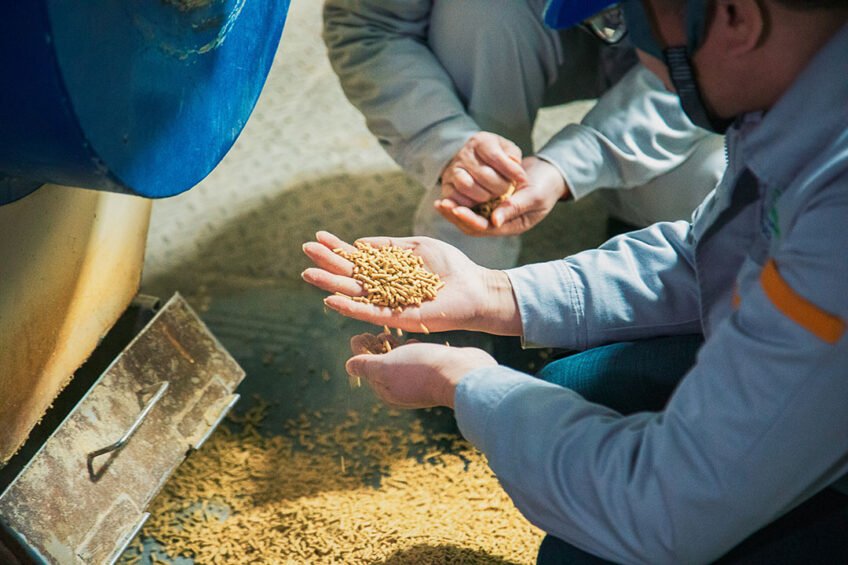
In addition to lab data, physical inspection plays an important role in evaluating protein meal quality. Visual and sensory checks often reveal early signs of processing or storage issues.
Physical indicators to assess include:
- Uniform color without excessive darkening or discoloration
- Free-flowing texture without clumping
- Absence of foreign materials or impurities
- Neutral smell without signs of rancidity or spoilage
These checks are particularly important when handling bulk shipments or sourcing from new suppliers.
Processing Methods and Their Impact
Processing conditions significantly influence the quality of protein meals. Excessive heat during oil extraction can reduce protein digestibility, while improper processing may leave residual anti-nutritional compounds.
Modern processing techniques have improved protein availability and consistency, especially for meals derived from oilseeds. Buyers should inquire about extraction methods, temperature control, and quality assurance protocols to ensure the meal meets feed performance expectations.
Importance of Oilseed Quality in Protein Meals
The quality of oilseeds used during processing determines the baseline nutritional value of protein meals. Factors such as seed maturity, oil extraction efficiency, and handling practices influence the final product.
High-quality oilseeds contribute to better protein retention, lower contamination risk, and improved digestibility. As protein meals are a by-product of oil extraction, consistent oilseed sourcing is a strong indicator of reliable protein meal quality.
Storage, Handling, and Logistics Considerations
Even high-quality protein meals can degrade if storage and transportation conditions are inadequate. Exposure to moisture, heat, or contamination during transit can compromise nutritional value.
When evaluating suppliers, buyers should assess:
- Storage facilities and environmental controls
- Packaging or bulk handling methods
- Transit duration and logistics planning
- Traceability across the supply chain
These factors are particularly relevant when sourcing agriculture products for international or long-distance supply chains.
Matching Quality to Feed Application
Not all protein meals are intended for the same feed applications. Quality requirements vary depending on livestock type and formulation goals.
For example:
- Poultry feed requires higher digestibility and consistent amino acid profiles
- Ruminant feed can accommodate higher fiber levels
- Dairy feed formulations prioritize stable protein availability
Understanding the intended application helps buyers select protein meals that deliver optimal results without overpaying for unnecessary specifications.
Supplier Transparency and Documentation
Reliable suppliers provide clear documentation and maintain open communication throughout the procurement process. Certificates of analysis, batch traceability, and compliance with feed safety standards are essential indicators of credibility.
For businesses sourcing feed ingredients at scale, long-term supplier relationships built on transparency reduce quality risks and support consistent feed production.
Common Quality Risks to Avoid
Protein meal buyers should remain vigilant against common quality pitfalls, such as inconsistent batches, insufficient testing, or unclear sourcing practices. These risks often lead to variability in feed performance and unexpected cost increases.
Working with experienced suppliers who understand the complexities of protein meal production and handling significantly reduces these risks.
Strategic Procurement for Long-Term Reliability
Quality evaluation should be integrated into broader procurement strategies. Instead of focusing solely on short-term pricing, buyers benefit from considering reliability, consistency, and long-term performance.
This approach is particularly important for businesses involved in agriculture product sourcing and feed manufacturing, where stable supply chains are critical to operational success.
Conclusion
Checking protein meal quality before buying is a critical step in building reliable and efficient feed systems. By understanding raw material sources, evaluating nutritional parameters, conducting physical inspections, and assessing supplier practices, buyers can reduce risk and ensure consistent performance.
Protein meals derived from rapeseed, mustard seed, and soybean seeds continue to play a vital role in modern feed formulations. When sourced responsibly and evaluated thoroughly, they support strong animal performance and long-term supply chain stability.
For procurement professionals and feed manufacturers, prioritizing quality over short-term savings is essential when sourcing feed ingredients in competitive and evolving markets.