

Ultimate Guide to Soybean Meal Suppliers in India (2026)
India has steadily emerged as a dependable source of agricultural commodities for global markets, and soybean-based products play a critical role in this position. With rising demand for high-protein animal feed across poultry, dairy, and aquaculture industries, international buyers are increasingly evaluating India as a long-term sourcing destination. In 2026, understanding how suppliers operate, how quality is maintained, and how trade flows are managed is essential for successful procurement.
This guide explores India’s soybean supply ecosystem, supplier evaluation criteria, and the factors shaping sourcing decisions for global buyers.
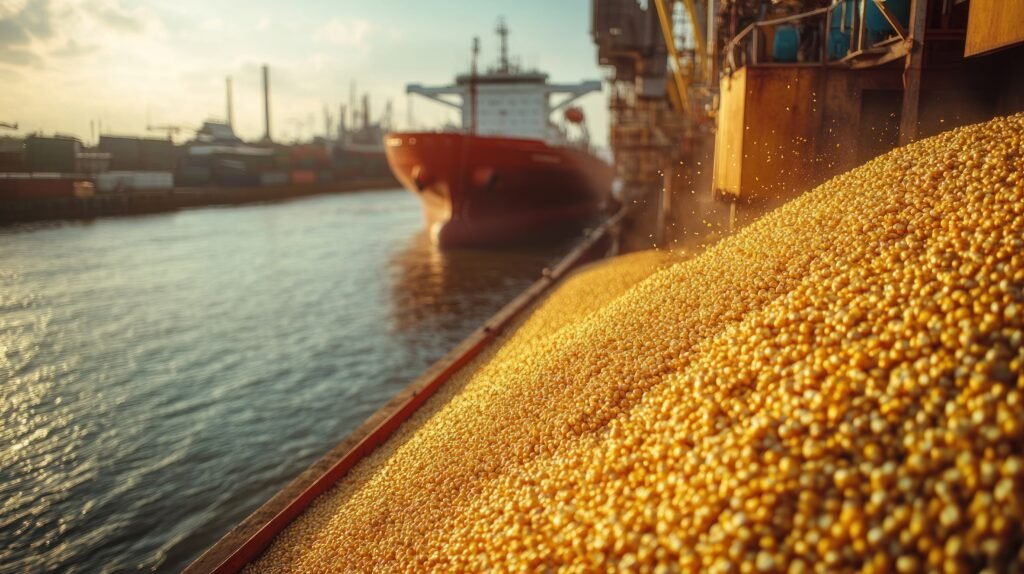
India’s Soybean Ecosystem: A Strong Foundation
India’s soybean industry is deeply rooted in its agricultural regions, particularly Madhya Pradesh, Maharashtra, and Rajasthan. These areas benefit from favorable climatic conditions and established farming practices that support consistent production. The handling and processing of soybean seeds at the farm and post-harvest stages play a crucial role in determining final product quality.
Proper harvesting methods, storage conditions, and transportation from farms to processing units directly influence oil extraction efficiency and byproduct quality. Buyers sourcing from India often value this structured ecosystem, as it supports consistency across production cycles. Once processed, oil extraction produces soybean meal, which is widely used as a protein-rich feed ingredient. The nutritional value of this product depends on processing efficiency, protein retention, and moisture control—making supplier capability a key differentiator in competitive markets.
Why Soybean Meal Continues to See Strong Global Demand
The demand for soybean meal remains strong due to its nutritional efficiency and economic viability. It provides an optimal amino acid profile for livestock feed, making it a preferred ingredient across multiple animal nutrition segments.
Some of the main reasons behind its sustained demand include:
- High protein content suitable for poultry, dairy, and aquaculture feed
- Consistent performance across feed formulations
- Cost efficiency compared to alternative protein sources
India’s ability to deliver consistent volumes while meeting international quality benchmarks strengthens its reputation among global buyers. Suppliers that understand processing standards and export requirements are better positioned to support repeat orders and long-term contracts.
India’s Role in Global Agricultural Trade
Over the past decade, India’s participation in agri-exports has expanded significantly. Investments in port infrastructure, quality testing laboratories, and streamlined documentation processes have improved export efficiency and reliability. Soybean-derived products form an important component of this export landscape, serving markets in Southeast Asia, the Middle East, and Africa. As buyers seek to diversify sourcing origins and reduce supply-chain risks, India’s stability as a producing country becomes a key advantage. Growth in agri exports is also supported by experienced firms engaged in agri trading, which help bridge gaps between processors and international buyers through structured, transparent transactions.
Evaluating Soybean Meal Suppliers in India
Choosing the right supplier goes beyond pricing considerations. Buyers must evaluate suppliers on multiple operational and commercial parameters to ensure reliability.
Key evaluation factors include:
- Quality consistency, including protein levels and moisture control
- Processing standards and supplier–processor relationships
- Logistics capability, storage conditions, and shipment coordination
Suppliers that demonstrate operational discipline and maintain strong communication channels tend to deliver better long-term outcomes for buyers.
Importance of Traceability and Compliance
In 2026, traceability has become a core requirement rather than an added advantage. Buyers expect clear documentation related to sourcing origins, processing methods, and compliance with international feed safety standards. From the initial handling of soybean seeds to final shipment, transparency reduces regulatory risk and builds confidence.
Suppliers investing in testing protocols, documentation systems, and compliance checks are better equipped to serve regulated markets. This is particularly important for buyers operating in regions with strict import and quality requirements.
Role of Agri Trading Firms and Supplier Networks
The agricultural trade ecosystem relies heavily on experienced intermediaries who understand both production cycles and global market dynamics. Firms engaged in agri-trading help streamline procurement, manage price volatility, and align supply with buyer requirements. Established agri suppliers with strong regional networks add value by offering market insights, supply planning support, and risk mitigation strategies. Their familiarity with production timelines allows buyers to secure volumes ahead of peak demand periods while maintaining supply continuity.
Market Trends Influencing 2026 Sourcing Decisions
Several trends are shaping sourcing strategies in the coming year. Buyers are placing increased emphasis on consistency, traceability, and relationship-driven sourcing models. Continued improvements in export infrastructure further reinforce India’s role in global agri-exports.
Additional trends include:
- Greater focus on supply-chain transparency
- Preference for long-term supplier relationships over spot buying
- Increased use of digital communication and data-driven planning
These shifts favor suppliers who can offer both operational reliability and strategic support.
Building Long-Term Supply Partnerships
Global buyers are increasingly moving beyond transactional purchases toward structured sourcing partnerships. Collaborating closely with experienced agri suppliers enables better forecasting, more stable pricing mechanisms, and dependable delivery schedules. India’s soybean ecosystem offers the scale and flexibility required for such partnerships. When supported by transparent trade practices and reliable supplier networks, sourcing soybean meal from India becomes a sustainable and efficient solution for international feed markets.
Conclusion
India’s soybean supply chain continues to evolve, offering global buyers a reliable source of high-quality feed ingredients. From cultivation and processing to export-ready logistics, each stage contributes to overall supply consistency. As agri exports grow and compliance expectations increase, selecting knowledgeable partners becomes increasingly important. In 2026, buyers who prioritize quality, transparency, and long-term collaboration will be best positioned to benefit from India’s strong soybean trade foundation.