

What Global Buyers Look for in Protein Commodity Suppliers
As protein demand continues to rise across food and feed industries, global buyers are becoming more selective about who they work with. Price alone no longer determines supplier choice. Instead, buyers evaluate suppliers based on reliability, consistency, transparency, and their ability to perform in complex international environments.
In today’s interconnected commodity trading market, protein commodity suppliers are expected to meet higher standards across sourcing, logistics, compliance, and relationship management. This article explores what global buyers truly look for in protein commodity suppliers and how suppliers can align with evolving expectations in global trade.
The Changing Expectations of Global Buyers
Global protein buyers operate in an environment shaped by volatility, regulatory scrutiny, and shifting demand patterns. Feed manufacturers, food processors, and international distributors depend on stable supply flows to maintain production efficiency and profitability.
As a result, buyer expectations now extend far beyond transactional relationships. Suppliers are assessed as long-term partners within the broader supply chain, capable of supporting continuity even during periods of disruption.
Reliability in the Commodity Trading Market
Reliability is one of the most important factors global buyers evaluate. In the commodity trading market, missed shipments, inconsistent quality, or poor communication can quickly erode trust.
Buyers look for suppliers who demonstrate:
- Consistent delivery schedules
- Predictable product specifications
- Strong logistics coordination
- Proactive communication during market changes
Reliability signals professionalism and reduces operational risk for buyers managing large-scale procurement programs.
Supply Chain Transparency and Traceability
Transparency across the supply chain has become a non-negotiable requirement for global buyers. They need confidence that products meet quality, safety, and compliance standards at every stage.
Suppliers that provide clear documentation, traceable sourcing, and verifiable quality controls stand out in competitive markets. Transparency supports smoother audits, faster approvals, and stronger buyer confidence, particularly in regulated feed and food sectors.
Ability to Support Global Trade Operations
Operating effectively in global trade requires more than product availability. Buyers expect suppliers to understand international logistics, documentation requirements, and regional regulations.
Key capabilities global buyers value include:
- Export documentation accuracy
- Understanding of destination market regulations
- Efficient port and shipping coordination
- Risk management across borders
Suppliers who demonstrate experience in international trade processes are better equipped to support buyers across multiple regions and markets.
Capacity for Bulk Trading and Volume Consistency
Many international buyers operate at scale, sourcing protein commodities in large volumes. The ability to support bulk trading without compromising quality or timelines is a critical differentiator.
Suppliers engaged in bulk trading must demonstrate:
- Adequate sourcing and processing capacity
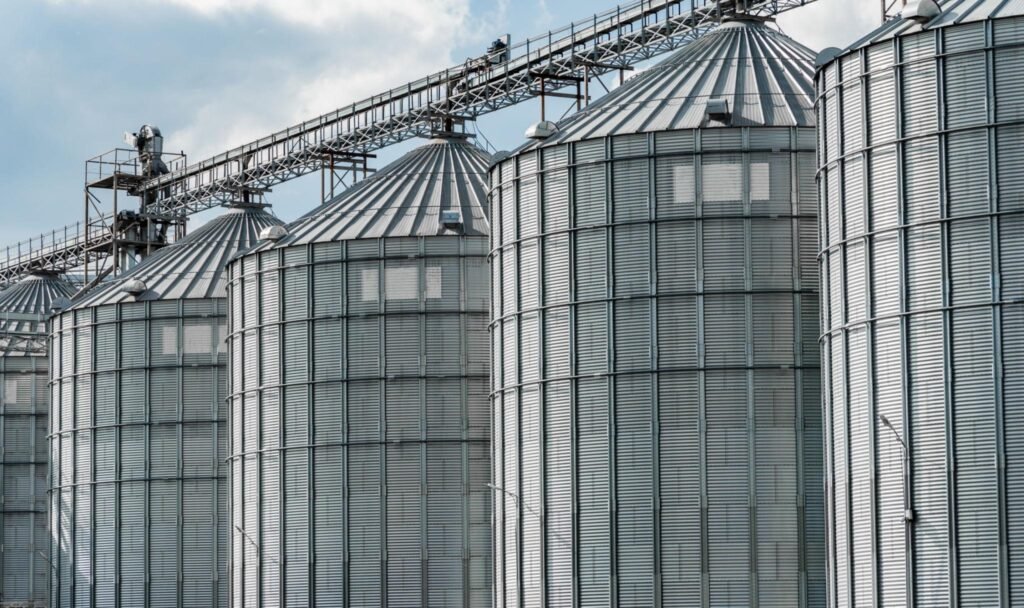
- Storage and handling infrastructure
- Stable supplier networks
- Ability to scale volumes as demand fluctuates
Volume consistency reassures buyers that supply commitments can be met even during peak demand cycles.
Understanding the Needs of Global Agro Commodity Buyers
Global agro commodity buyers are diverse, ranging from feed manufacturers to food processors and distributors. Despite this diversity, they share common priorities around efficiency, risk reduction, and long-term planning.
Successful suppliers take time to understand buyer-specific requirements, such as nutritional specifications, quality tolerances, and delivery schedules. This alignment strengthens relationships and positions suppliers as strategic partners rather than interchangeable vendors.
Quality Consistency Over Price Volatility
While price competitiveness remains important, quality consistency often outweighs short-term cost advantages. Buyers recognize that inconsistent protein quality can lead to production inefficiencies, reformulation costs, and performance issues.
Suppliers who maintain consistent quality across batches help buyers reduce variability in operations. This consistency is especially valued in protein commodities used in feed and food applications where performance outcomes matter.
Risk Management and Market Awareness
Global buyers prefer suppliers who understand market dynamics and proactively manage risk. Awareness of pricing trends, supply disruptions, and geopolitical factors helps suppliers anticipate challenges and communicate effectively with buyers.
In the commodity trading market, suppliers who provide market insights, not just products, add significant value. This advisory approach supports better planning and reinforces trust.
Long-Term Partnership Mindset
Global buyers increasingly favor suppliers who take a partnership-driven approach. Rather than focusing on one-off deals, they seek relationships built on mutual growth, transparency, and shared objectives.
Characteristics of partnership-oriented suppliers include:
- Willingness to engage in long-term planning
- Openness to feedback and improvement
- Commitment to ethical and sustainable practices
This mindset is particularly important in B2B agriculture, where supply chain stability directly impacts business continuity.
Compliance and Sustainability Expectations
Sustainability and compliance are becoming central to procurement decisions. Buyers expect suppliers to adhere to environmental, social, and governance standards relevant to their markets.
Demonstrating responsible sourcing, efficient resource use, and compliance with international standards enhances supplier credibility and supports long-term engagement in global trade.
Communication and Responsiveness
Clear and timely communication remains one of the simplest yet most powerful differentiators. Global buyers value suppliers who respond quickly, provide accurate updates, and address concerns transparently.
Strong communication reduces uncertainty, especially during market volatility or logistical disruptions, and reinforces confidence in supplier capabilities.
Strategic Role of Suppliers in B2B Agriculture
In modern B2B agriculture, protein commodity suppliers play a strategic role in enabling food and feed production worldwide. Their performance affects not only individual buyers but entire supply networks.
Suppliers who align operational excellence with relationship management position themselves as indispensable partners in global protein markets.
Conclusion
Global buyers evaluate protein commodity suppliers through a comprehensive lens that includes reliability, transparency, scalability, and partnership potential. In an increasingly complex supply chain environment, success depends on more than competitive pricing.
Suppliers who understand the realities of the commodity trading market, support efficient global trade operations, and meet the expectations of global agro commodity buyers are best positioned for long-term growth. By embracing a partnership-driven approach and strengthening capabilities across bulk trading, compliance, and communication, suppliers can build lasting relationships in the evolving world of B2B agriculture.